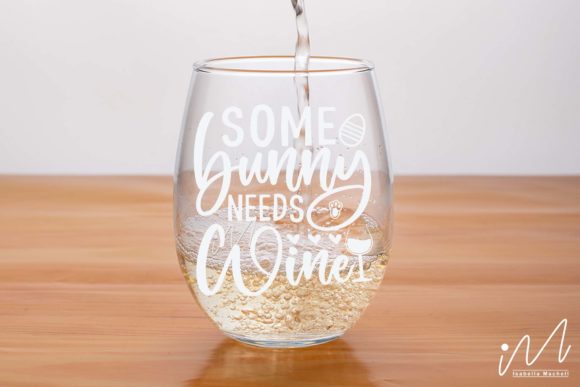
Some Bunny Needs Wine Svg: A Designer’s Embroidery Review
As a designer who spends more time than I care to admit staring at stitch density charts and fabric swatches, I approach every new embroidery file with a healthy dose of skepticism. The market is saturated with digital assets, but few truly translate well from the screen to the hoop. Today, I am putting Some Bunny Needs Wine Svg through its paces. This isn’t just about whether it looks cute in a preview window; it is about how it behaves under the needle, how it holds up on actual garments, and whether it has the commercial viability required for a serious craft business.
First Impressions and Visual Personality
When you first load this design into your digitizing software, the immediate takeaway is its playful, relatable energy. The phrase “Some bunny needs wine” taps into a universal sentiment that resonates deeply with adult crafters and gift buyers alike. Visually, the layout strikes a balance between whimsical and bold. It avoids the cluttered look that plagues many novelty designs, opting instead for clean lines and a clear focal point.
The mood is undeniably lighthearted, making it an excellent candidate for personalized gifts. Whether it is intended as a humorous present for a friend going through a stressful week or a celebratory item for a milestone birthday, the design carries an emotional weight that elevates it above generic clip art. For an Etsy seller, this kind of relatability is currency. It invites engagement because customers see themselves in the message. The visual personality suggests a design that belongs on soft, comfortable fabrics rather than stiff, formal materials.
Real-World Application: From Screen to Stitch
Let’s move past the mockup and talk about execution. I envision this machine embroidery design shining on specific product categories. The most obvious application is a high-quality canvas tote bag design. The sturdy nature of canvas provides the perfect foundation for the stitches, allowing the design to sit flat and crisp without puckering. Imagine a neutral-colored tote with the bunny motif embroidered prominently on the front—this is a staple item in any boutique’s inventory.
Beyond bags, this design translates beautifully to sweatshirt embroidery. A cozy, oversized sweatshirt featuring this quote feels like the ultimate comfort piece. The contrast between the soft fleece and the textured embroidery adds a tactile dimension that customers love. Similarly, for those targeting the nursery or baby market, this could work as a charming addition to a onesie or a layette set, provided the sizing is adjusted appropriately. It also fits seamlessly into holiday embroidery collections, particularly for spring holidays like Easter or as a quirky addition to a “Girls’ Night In” themed holiday gift basket.
I also see potential in home decor. A well-executed version on a linen kitchen towel or a decorative pillow cover can add a touch of humor to a living space. The versatility of the Graphics category here is evident; it is not limited to apparel but extends into lifestyle products that reflect the owner’s personality.
Where Caution Is Required
However, no design is flawless, and knowing where to draw the line is what separates a pro from a hobbyist. There are scenarios where Some Bunny Needs Wine Svg might struggle. If you attempt to digitize this for a very small hoop size, such as a 4x4 inch area, you risk losing critical details. Tiny lettering or fine bunny features may merge together, resulting in a muddy appearance after stitching.
Textured fabrics pose another challenge. While a smooth cotton twill cap might render the design sharply, a chunky knit or a heavily textured denim could obscure the finer points of the artwork. Furthermore, stretchy fabrics require careful stabilization. Without the right support, the tension of the threads can cause the fabric to pucker, distorting the shape of the bunny and the text. Dark fabrics also demand attention; if the thread colors chosen do not provide sufficient contrast against the background, the design will disappear into the material.
Technical Considerations for Embroiderers
For those planning to use this digital embroidery file in a commercial capacity, technical diligence is non-negotiable. Before committing to a final run, always test the design on scrap fabric. This step allows you to evaluate the stitch density and ensure that the machine is handling the transitions smoothly. Pay close attention to the applique design elements if present, checking that the edges are clean and the underlying fill is secure.
Thread color selection plays a massive role in the final aesthetic. Experiment with different palettes to see how they interact with your target fabric. A monochromatic scheme might offer a modern, subtle look, while vibrant contrasting threads can make the design pop. It is also wise to inspect the design in black and white mode within your software. This helps identify any areas where the stitch direction might cause shading issues or where the running stitch details might become too sparse.
Don’t forget the importance of the stabilizer. Using the correct type—cut-away for stretchy items, tear-away for stable woven fabrics—ensures that the finished product maintains its integrity even after multiple washes. For items like embroidered patches or caps, which undergo significant stress, a robust stabilizer choice is critical to prevent distortion.
Commercial Viability and Brand Value
From a business perspective, incorporating Some Bunny Needs Wine Svg into your lineup can enhance brand consistency if used thoughtfully. It appeals to a broad demographic, from young professionals looking for unique accessories to grandparents buying gifts for grandchildren. The design’s adaptability means it can be featured across various product types, from custom apparel to printable mockups for digital marketing.
Customer trust is built on quality. When a buyer receives a handmade product where the embroidery is precise, the colors are vibrant, and the message is clear, they are more likely to leave positive reviews and return for future purchases. This design, when executed correctly, supports that level of professionalism. It signals that the maker cares about the details, which is a key driver in the handmade product market.
Finally, always verify the licensing terms before selling finished items. While the design offers formats like SVG, DXF, EPS, and PNG, ensuring you have the right to use it commercially protects your small shop product investments. By treating each project with respect and attention to detail, you transform a simple graphic into a valuable asset that delights customers and sustains your creative enterprise.