No Selfies in the Bathroom Embroidery Review
As a designer who spends half my life staring at digitized files and the other half troubleshooting stitch errors, I have developed a very specific set of standards for what makes a design worth the time it takes to embroider. We are all looking for that sweet spot: a design that is visually striking, technically sound, and emotionally resonant enough to make a customer say, "I need this on my wall." Enter No Selfies in the Bathroom, Bathroom SVG. At first glance, it looks like another novelty sign, but when you strip away the marketing fluff and look at it through the lens of practical application, there is some genuine potential here for the right craft business or personal project.
I recently pulled this file to test its viability for a custom gift order—a set of matching bathroom aprons and embroidered patches for a sister’s bridal shower party. The premise is simple: a humorous warning against taking phone photos in private spaces. It taps into that modern, slightly chaotic energy of shared bathrooms and viral internet culture. But does it translate well from a screen to fabric? Let’s break down the real-world performance of this machine embroidery design.
The First Impression and Visual Personality
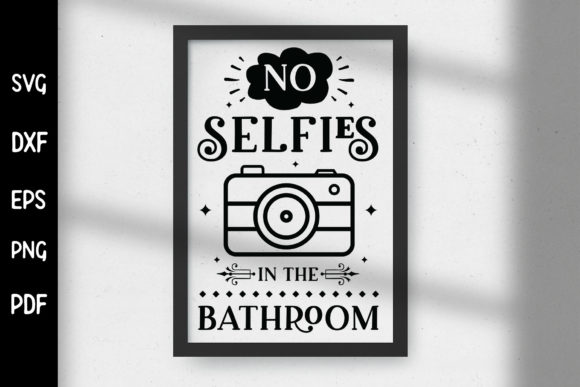
When I opened the file, the immediate mood was playful but clean. The layout avoids the cluttered, messy aesthetic that plagues so many novelty designs. For an embroidery project to succeed, especially one intended for resale as part of a craft business lineup, it needs to read clearly from three feet away. This design achieves that. The quote is central, bold, and legible.
The visual personality leans toward witty rather than cute. This distinction matters because it dictates your target audience. If you are targeting the baby embroidery niche, this might be too sharp-edged. However, if you are creating custom apparel for millennials or Gen Z, or designing small shop product lines for Etsy sellers who cater to adults, the humor lands perfectly. It feels like something you would hang above a vanity mirror or print on a high-quality tea towel. The creative theme works because it acknowledges a universal social rule with a wink, making it highly giftable.
Real-Life Application: From Screen to Stitch
To truly judge a design, you have to imagine it on a finished product. I ran mental mockups for several scenarios. First, the tote bag design application. Placing this on a sturdy canvas tote gives it a streetwear vibe. It’s functional art. Second, the sweatshirt embroidery angle. A cropped hoodie with this phrase centered on the back offers a great balance of comfort and statement-making style. It fits the current trend of personalized gifts that double as conversation starters.
For the embroidered patch route, which is huge in the commercial embroidery space right now, this design shines. Patches allow you to play with borders and backing materials. Imagine this on a denim jacket or a backpack. It adds a layer of texture and permanence to a garment that a simple print cannot match. The design’s structure likely supports a clean border, which helps define the edges when stitched onto curved surfaces like caps or hats.
I also considered its use in home decor. A kitchen towel or a pillow cover featuring this quote brings a touch of irreverence to a domestic space. It breaks the monotony of traditional floral or farmhouse patterns. For Etsy listings, this kind of item performs well because it solves a gifting problem—it’s funny, relatable, and useful. Buyers love items that feel personal yet universally understood.
Technical Performance and Stitch Quality
From a technical standpoint, text-based designs live or die by their stitch density and clarity. When evaluating No Selfies in the Bathroom, Bathroom SVG, the primary concern is always readability. Satin stitches must be tight enough to prevent fabric show-through but loose enough to avoid puckering. If the lettering is too dense, it can become a muddy blob, especially on stretchy fabrics.
This design appears to rely heavily on clear satin stitch work for the main text, which is the standard for legibility. However, designers should always check the stitch density in their digitizing software. If the file is optimized for standard cotton blends, it may behave differently on a polyester-cotton blend or a lightweight rayon. The key is ensuring that the negative space between letters remains distinct. In my experience, designs that crowd the text often fail in production because minor stitching errors render the message unreadable. This design seems to afford enough breathing room to mitigate that risk.
Where to Use It Carefully
Not every surface is created equal. While this design has broad appeal, there are specific contexts where caution is advised. Small hoop sizes can be tricky; if the design is scaled down too much, fine details or thin lines in the decorative elements may disappear entirely. Always inspect small details before committing to a run.
Textured fabrics present another challenge. A heavy boucle wool or a nubby linen can obscure the precision of the running stitch or fill stitch accents. For the best results, stick to smooth-to-medium weave fabrics like cotton twill, denim, or stable jersey. Stretchy fabrics require a proper stabilizer—tear-away or cut-away depending on the weight—to prevent distortion during the stitching process. Without the right support, even a simple text design can warp, ruining the finished product quality.
Dense stitch areas should be avoided on garments that will undergo frequent washing. Over time, heavy stitching can wear down threads, leading to fraying. If you are selling these items as durable goods, consider whether the design’s complexity justifies the maintenance required by the end user. For a one-off personalized gift, this is less of a concern, but for a small business merchandise line, longevity matters.
Designer Notes for Success
Before you upload this to your shop or start stitching for clients, follow these practical steps. First, test the design on scrap fabric. Nothing replaces physical proofing. Check how the thread colors interact with your chosen background. High contrast is your friend; light thread on dark fabric (or vice versa) ensures the joke isn’t lost in the weave.
Review the design in black and white mockups. This strips away color bias and lets you evaluate the shape and balance of the composition. Does the eye travel naturally across the phrase? Is the hierarchy clear? Also, confirm the licensing terms. As a digital embroidery file seller or creator, you must ensure you have the right to sell finished products made from this design. Some licenses restrict commercial use, while others allow it with attribution. Protect your design assets by being transparent about rights.
Finally, think about your brand consistency. If your shop specializes in minimalist, elegant pieces, this quirky sign might feel out of place unless styled carefully. But if your brand celebrates humor and personality, this design is a strong addition to your catalog. It fits seamlessly into categories like holiday gifts, wedding favors, or boutique branding where personality sells.
Final Verdict
No Selfies in the Bathroom, Bathroom SVG is more than just a novelty graphic; it is a versatile tool for any embroidery project that aims to connect with customers on a human level. It balances humor with clean execution, making it suitable for everything from apparel decorators to handmade shop owners. By paying attention to fabric choice, stabilization, and licensing, you can turn this simple concept into a standout piece that drives engagement and sales. It’s a smart buy for anyone looking to add a touch of wit to their collection of graphics and crafts.