Salty Season Embroidery Design Review
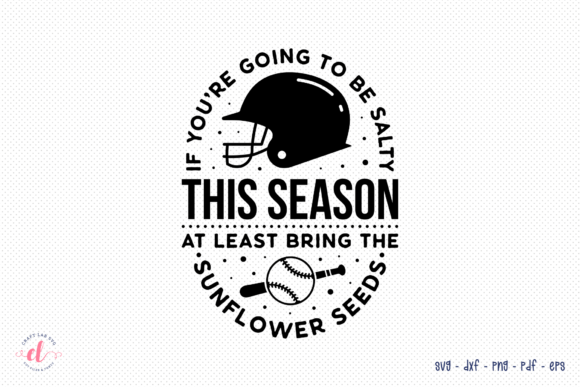
As a designer who spends half my life staring at stitch grids and the other half judging the structural integrity of embroidery on curved surfaces, I don’t just look at a design file; I look at its potential to survive real-world wear. When evaluating If You re Going to Be Salty This Season, I am looking past the novelty of the quote to assess its viability as a serious asset for craft businesses, personalized gifts, and boutique merchandise. This baseball SVG design with beautiful quote offers a specific visual personality that demands careful consideration before it hits the hoop.
First Impressions and Visual Personality
The immediate takeaway from this graphic is its playful yet structured energy. The combination of baseball iconography with a witty, slightly sarcastic tone creates a mood that is perfect for autumnal or holiday-themed collections. It feels less like a generic sports clipart and more like a curated statement piece. For an embroidery designer, the layout suggests a strong horizontal or balanced vertical flow, which is crucial for maintaining readability when translating vector lines into thread paths.
The "beautiful quote" aspect mentioned in the description implies a focus on typography. In my experience, text-heavy designs are where most embroidery projects fail or succeed. If the lettering lacks proper kerning or stroke weight, it can become muddy after stitching. However, this design’s unique creative nature suggests it has been thoughtfully composed to stand out. It appeals directly to the modern crafter who wants something that feels personal and humorous rather than traditional or overly sentimental. It fits naturally into the Crafts category while serving as versatile Graphics for various digital and physical applications.
Real-World Application: From Screen to Stitch
Let’s talk about how this design performs when we move from the computer screen to the actual product. Imagine you are preparing a custom embroidered tote bag for a fall craft fair. The boldness of the baseball theme pairs exceptionally well with canvas or heavy cotton blends. The contrast between the sturdy fabric and the intricate details of the design will likely hold up well, creating a durable handmade product that customers trust.
Similarly, consider this for sweatshirt embroidery. A crewneck or hoodie provides a flat, stable surface that allows the fill stitches to lay smoothly. The "salty" theme resonates strongly with seasonal apparel, making it an excellent choice for holiday gifts or winter market items. When used on baby clothes, the design adds a touch of humor that parents appreciate, transforming a simple onesie into a memorable personalized gift. The versatility of the design means it can also work beautifully as an embroidered patch, allowing for application on denim jackets or backpacks where a more permanent fixture is desired.
For Etsy sellers and small shop owners, this design bridges the gap between hobbyist charm and professional presentation. It works well for aprons and kitchen towels, where the humorous message can lighten the mood in the home. The design assets are robust enough to serve as printable mockups for digital product previews, helping you visualize the final result before committing to production. Whether you are creating commercial embroidery pieces or designing for your own brand consistency, this graphic offers a recognizable aesthetic that engages buyers looking for something distinct.
Where Caution Is Required
While the design has strong appeal, no embroidery project is without its pitfalls. There are specific scenarios where If You re Going to Be Salty This Season might struggle if not handled with care. Small hoop sizes are a primary concern. If you attempt to scale this design down too much, the fine details of the baseball elements and the delicate curves of the quote may lose definition. The satin stitch edges could become jagged, and the running stitch details might disappear entirely into the fabric texture.
Textured fabrics pose another challenge. While the design looks great on smooth cotton, applying it to bouclé, chenille, or heavily woven materials can obscure the intricate lines. Thin or stretchy fabrics require extra stabilization to prevent puckering, especially around dense stitch areas. If the design includes significant fill stitch coverage, you must ensure the stabilizer matches the fabric weight to maintain clarity.
Dark fabric presents a classic visibility issue. Unless you use high-contrast thread colors, the design may lack the pop needed to be effective. Layered garments, such as double-knit hoodies, can create uneven surfaces that affect needle penetration and stitch formation. Curved surfaces like caps require precise digitizing to accommodate the curve; otherwise, the text may appear distorted. Detailed corners and tiny lettering are particularly vulnerable to thread breaks or tangling. Finally, products that need frequent washing, such as dish towels or baby items, must be tested for colorfastness and durability to ensure the design remains crisp after multiple cycles.
Practical Designer Notes for Execution
To get the best results from this machine embroidery design, follow these practical steps. Always test the design on scrap fabric first. This allows you to observe how the thread colors interact with the specific hue and weave of your chosen material. Check the stitch density carefully; if the design feels too dense for the fabric type, it may cause stiffness or breakage.
Confirm the hoop size before starting your project. Ensure your embroidery machine has enough clearance for the design dimensions, especially if you are working on larger items like tote bags or pillow covers. Inspect small details closely during the test run. Use black and white mockups to evaluate contrast and balance without the distraction of color. Compare light and dark fabric backgrounds to see how the design adapts to different aesthetics.
Use proper stabilizer tailored to your fabric. For knit fabrics, a tear-away or cut-away stabilizer may be necessary to prevent shifting. Check whether the design works for both personal and commercial projects by reviewing the licensing terms provided with the file. Confirm licensing before selling finished items or digital products to avoid legal issues. Evaluate the applique design elements if present, ensuring they align seamlessly with the rest of the composition. Monitor the satin stitch quality to ensure clean edges, and assess the fill stitch coverage for even texture. The running stitch details should be checked for clarity and tension.
Final Verdict on Value and Appeal
Evaluating If You re Going to Be Salty This Season reveals a design that is highly adaptable but requires technical precision. Its visual appeal lies in its ability to combine sporty motifs with relatable humor, making it a strong candidate for custom apparel, holiday embroidery, and boutique branding. For the craft business owner, it offers a ready-made solution for creating engaging content and profitable merchandise.
The design enhances customer trust by presenting a polished, intentional look that speaks to quality. It boosts buyer engagement through its shareable, witty nature, encouraging social media interaction and word-of-mouth promotion. Ultimately, this graphic is a valuable addition to any designer’s library, provided it is executed with attention to detail. By respecting the limitations of fabric and hoop size, and by prioritizing proper testing and stabilization, you can transform this digital embroidery file into a stunning finished product that stands out in a crowded market.
Whether you are an experienced embroiderer or a beginner exploring the world of custom apparel, this design offers a fun and rewarding challenge. It reminds us that successful embroidery is not just about stitching lines; it is about understanding how design, material, and technique come together to create something tangible and meaningful. With careful planning and execution, If You re Going to Be Salty This Season can become a standout piece in your collection of handmade products and digital assets.