Review: World Creativity and Innovation Day Embroidery Design
As a designer who spends more time than I care to admit staring at stitch patterns and debating thread colorways, I approach every new digital asset with a mix of skepticism and hope. We have all seen the endless streams of SVGs and embroidery files flooding marketplaces like Etsy and Creative Market. Most are forgettable. Some are technically flawed. A rare few actually hold up when translated from a vector screen into three-dimensional thread on fabric.
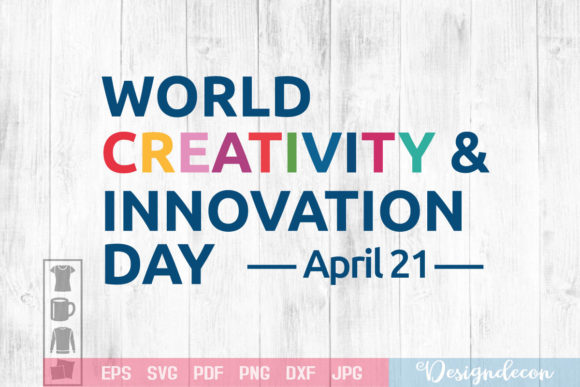
I recently evaluated the World Creativity and Innovation Day typography design for potential use in my own craft business and client projects. The product is listed under Crafts and Graphics, described as a print-ready digital SVG cutting file suitable for t-shirts, mugs, posters, and social media posts. However, my focus here is strictly on its viability as a machine embroidery design. Can this file survive the hoop? Does it convey the right mood when stitched? And would a customer actually buy a finished product featuring this design?
First Impressions and Visual Personality
The moment you load the World Creativity and Innovation Day design into your digitizing software or preview window, the layout speaks to a modern, clean aesthetic. Typography-based designs are risky in embroidery because they rely entirely on legibility and spacing. If the kerning is off or the letterforms are too thin, the result is a muddy mess that looks cheap rather than crafted.
This design avoids those pitfalls by leaning into bold, confident shapes. The visual personality is energetic but structured. It does not feel cluttered. For a theme centered on creativity and innovation, the design manages to look professional without being sterile. It feels like something you would see in a high-end boutique or a well-curated studio space. The mood is uplifting and forward-thinking, which makes it highly versatile for various occasions, from corporate gifting to personal creative journals.
However, typography is only half the battle. You must consider how the text interacts with negative space. In this case, the balance allows for effective placement on garments and accessories. It is not shouting; it is stating a fact with style. This subtlety is crucial for handmade products that need to appeal to adults who want wearable art, not just novelty items.
Real-World Application: From Screen to Stitch
To truly judge an embroidery file, you have to imagine it on a physical object. I ran several mental simulations based on common handmade product categories where this design could thrive.
Consider a custom embroidered tote bag. A tote bag design needs to be durable and readable from a distance. The bold nature of the World Creativity and Innovation Day text works perfectly here. When stitched onto canvas or heavy cotton, the design anchors the bag, giving it a sense of purpose. It transforms a simple utility item into a statement piece for creatives, designers, or students.
Next, think about apparel. A sweatshirt embroidery project often benefits from larger, impactful graphics. Placing this design on the chest of a crewneck hoodie creates a sophisticated look. Alternatively, centering it on the back of a blank tee allows the typography to breathe. The design’s structure supports both placements without feeling cramped. It adds value to the garment, elevating it from basic retail to a custom apparel item that justifies a higher price point.
For smaller items, such as an embroidered patch or a cap front panel, the design holds its own. Caps present a challenge due to their curved surfaces, but if the digitization accounts for proper pull compensation, the text remains legible. Similarly, for baby embroidery on onesies or burp cloths, the clean lines ensure that the design remains soft and comfortable against sensitive skin, avoiding overly dense clusters of thread that might irritate.
Home decor is another strong contender. Imagine this design on a kitchen towel or a pillow cover. The theme of creativity fits beautifully in a home office or a craft room setting. It serves as a daily reminder and adds a personalized touch to your workspace. As a personalized gift, it resonates deeply with artists, engineers, teachers, and innovators, making it a thoughtful choice for birthdays, graduations, or holidays.
Where Caution Is Required
While the design has many strengths, no single file is perfect for every scenario. There are specific situations where you should exercise caution.
- Small Hoop Sizes: If you are working with a 4x4 inch hoop, the entire phrase may become too small to read clearly once stitched. Fine details can get lost, turning crisp letters into blobs. Always test the scale before committing to production.
- Textured Fabrics: Materials like bouclé, heavy tweed, or raw denim can obscure fine typographic details. The texture competes with the stitch definition, reducing clarity. Stick to smoother fabrics like jersey, cotton blends, or twill for the best results.
- Stretchy Fabrics: Knits require careful stabilization. Without the correct stabilizer, the tension of the stitch density can pucker the fabric, distorting the letters. This is particularly true for thin stretchy fabrics used in athletic wear or delicate baby clothes.
- Dense Stitch Areas: If the design uses heavy fill stitches for shading or backgrounds, it may become stiff and uncomfortable. For wearable items, lighter stitch types like running stitch or satin stitch outlines are often preferred for comfort.
- Dark Fabric Contrast: Ensure your thread colors provide sufficient contrast. Light threads on dark fabric may require multiple passes or a backing layer to appear vibrant, which increases stitching time and potential puckering.
Technical Considerations for the Designer
Before integrating World Creativity and Innovation Day into your commercial workflow, there are practical steps every Etsy seller or small shop product creator should take.
First, always test the design on scrap fabric that matches the weight and composition of your final product. This reveals issues with tension, needle type, and stabilizer choice that mockups cannot show. Check the stitch density closely. Are there areas where the thread might break or clump? Inspect the corners of letters and any decorative accents for sharp angles that might cause thread breaks.
Review the design in black and white mode within your software. This helps you assess the balance of light and dark stitches, ensuring that the visual hierarchy remains intact regardless of the thread color palette you choose. Compare how the design looks on both light and dark fabric backgrounds to determine if you need different thread strategies for each.
Stabilizer selection is non-negotiable. A poorly stabilized design will fail, no matter how good the digitization is. Use cut-away stabilizers for stretchy fabrics and tear-away for stable wovens, depending on the manufacturer's recommendations. Confirm whether the design includes necessary underlay stitches to anchor the fabric and prevent distortion.
Finally, address licensing. While the product description mentions it is a digital SVG cutting file, you must verify the license terms for machine embroidery use. Can you sell finished items? Can you use it in a commercial embroidery project for clients? Do not assume rights; check the provider’s policy to avoid legal issues. This is especially important for digital embroidery file sellers who might bundle this design with other assets.
Final Verdict
The World Creativity and Innovation Day design is a solid addition to any designer’s library. It offers a clean, professional aesthetic that translates well to various mediums, from custom apparel to home decor. Its strength lies in its versatility and readability, making it suitable for a wide range of customers, from hobbyists to serious craft business owners.
It is not a flashy, over-the-top design, but that is its advantage. It is understated yet impactful, allowing the message to shine through the quality of the execution. For anyone looking to create meaningful, high-quality finished product offerings, this design delivers on its promise. Just remember to respect the technical limitations of embroidery, test thoroughly, and choose your materials wisely. When done correctly, this design can elevate your brand and resonate deeply with buyers who appreciate thoughtfully made goods.