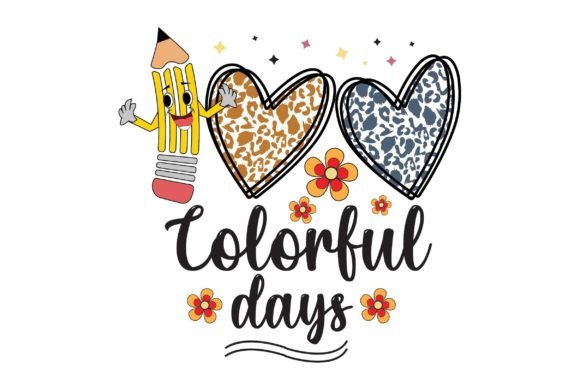
Reviewing 100 Colorful Days Svg for Embroidery
As a designer who spends more time staring at stitch patterns than actual sunlight, I approach every new 100 Colorful Days Svg with a mix of optimism and skepticism. The "100th Day of School" niche is incredibly saturated on platforms like Etsy and Pinterest. Finding a design that stands out without looking cluttered or overly generic is a genuine challenge. I pulled this specific file to evaluate its viability for real-world production, specifically looking at how it translates from a digital vector into a physical embroidery project. My goal here is to cut through the marketing fluff and give you the practical insight needed before you load it into your machine.
First Impressions and Visual Personality
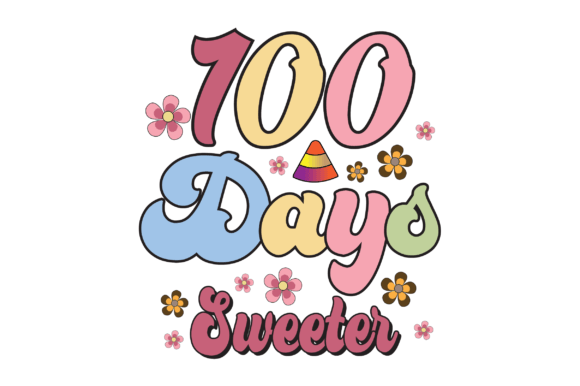
The moment I opened the file, the layout struck me as balanced. Many designs in this category suffer from "text bloat," where the quote overwhelms the central motif. This machine embroidery design, however, seems to prioritize visual harmony. The title suggests a vibrant palette, which is crucial because color contrast dictates legibility in stitching. If the colors clash or if the density is too high, the design will look muddy once stitched.
The mood it creates is celebratory but organized. It feels less like a chaotic burst of confetti and more like a curated collection of milestones. For a crafter or small business owner, this distinction matters. Parents buying a personalized gift for their child’s school milestone want something that looks professional and intentional, not haphazard. The design’s structure suggests it can hold up well under close inspection, which is essential for maintaining brand trust in a craft business.
Real-World Application: The Tote Bag Scenario
To truly test a design’s potential, I imagine it on a specific product. Let’s say I am preparing a custom embroidered tote bag design for a local teacher appreciation event. A canvas tote is a forgiving fabric, but it also has a distinct texture that can interfere with fine details.
If I were to place this embroidery file on a standard cotton canvas tote, the result would likely be bold and eye-catching. The design appears robust enough to handle the slight unevenness of canvas weave. However, if I were to move this to a delicate silk scarf or a thin polyester blend, I would hesitate. The stitch density needs to be appropriate for the fabric weight. On a sturdy tote, the design adds value, transforming a basic accessory into a boutique-quality item. It elevates the handmade product from a simple craft fair item to something that could sit comfortably on a retail shelf.
Consider also the recipient. A student or parent receiving a tote with this design isn’t just getting a bag; they are getting a keepsake. The visual appeal directly impacts the perceived value. If the stitching is clean and the colors pop, the customer feels good about their purchase. If the design bunches or loses detail, that satisfaction evaporates instantly.
Performance Across Different Garments and Accessories
Beyond totes, this digital embroidery file has versatility. It works beautifully for sweatshirt embroidery, particularly for older elementary students who might prefer a more mature aesthetic than the typical cartoonish styles. The placement on the chest or back of a hoodie allows the design to breathe, ensuring that the satin stitch outlines remain crisp against the fleece texture.
For baby embroidery, such as on muslin blankets or bibs, caution is required. While the theme is relevant for older kids, the design elements need to be scaled appropriately. Tiny details can get lost in the soft pile of a baby blanket. In these cases, I recommend testing the design at a smaller scale to ensure the running stitch accents don’t disappear. Similarly, for an embroidered patch intended for a backpack or denim jacket, the border definition is key. If the design has a strong outline, it will stitch up cleanly as a patch. If it relies on negative space, it might fray or lose shape after washing.
Kitchen towels and aprons are another excellent use case. The durability of this design means it can withstand frequent laundering, a critical factor for commercial embroidery items that see heavy use. The thematic relevance to school routines makes it a smart inventory choice for sellers targeting families during the late summer back-to-school rush.
Where to Exercise Caution
Not every surface is suitable for this level of detail. I would advise against using this design on highly textured fabrics like heavy wool or bouclé, as the needle penetration may be inconsistent, leading to skipped stitches. Stretchy knits require careful hooping and stabilizer usage to prevent distortion. If you attempt to stitch this on a curved surface like a baseball cap, pay close attention to the corners of the text or graphic elements. Curvature can stretch the fabric, causing straight lines to bow or letters to appear warped.
Also, consider dark fabrics. If the design relies heavily on light thread colors for shading, it may lack contrast against black or navy backgrounds. Always check your thread colors against your fabric choice before committing to a full run. A quick test on a scrap piece of the same material can save hours of rework.
Practical Designer Notes for Production
Before integrating this design asset into your workflow, there are several technical checks I always perform:
- Stabilizer Selection: Ensure you are using the correct stabilizer for your fabric. A tear-away might suffice for woven cotton, but a cut-away is safer for garments that will be washed repeatedly.
- Hoop Size Verification: Confirm that the final dimensions fit within your machine’s hoop size. Scaling down a large design can compromise detail, while scaling up might exceed your machine’s capabilities.
- Black and White Mockup: Convert the design to grayscale to check the balance of light and dark areas. This helps identify if certain sections are too dense or too sparse.
- Licensing Review: As an Etsy seller or small shop product creator, verify the commercial use rights. Some graphics are free for personal use only. Selling finished items requires explicit permission to avoid legal issues.
Final Verdict on Visual Impact and Trust
The ultimate measure of a design is its ability to build trust with the end consumer. When a customer sees a professionally executed finished product, they associate that quality with your brand. A messy stitch job suggests carelessness, while a clean, vibrant execution suggests expertise. This 100 Colorful Days Svg strikes a good balance between decorative flair and structural integrity.
It avoids the trap of being too busy, allowing the eye to rest on the main message. For holiday embroidery projects or seasonal collections, this design offers a reliable option that doesn’t require excessive customization to look good. It serves as a solid foundation for both custom apparel and digital mockups used in marketing.
In conclusion, this file is a strong contender for designers looking to expand their school-themed offerings. It performs well on sturdy fabrics and accessories, offering a professional finish that enhances the perceived value of the item. Just remember to test thoroughly, respect fabric limitations, and always prioritize clarity over complexity. When done right, this design can be a staple in your embroidery project library for years to come.