Livin That Nurse Life Svg Review
When I am evaluating a new digital asset for my embroidery studio, I look past the flashy preview images and focus on what actually matters: how it stitches, how it holds up in the real world, and whether it adds value to a finished product. Recently, I pulled the Livin That Nurse Life Svg from my library to test against some current client requests and small business inventory needs. As an experienced designer who frequently works with healthcare professionals as clients, I wanted to see if this design truly delivers on its promise of being a versatile, high-quality addition to any crafter’s collection.
This review breaks down the practical application of this machine embroidery design, focusing on stitch clarity, fabric compatibility, and commercial viability. Whether you are an Etsy seller, a boutique owner, or a hobbyist looking to create a meaningful personalized gift, here is my honest take on how this embroidery file performs under the needle.
First Impressions and Visual Personality
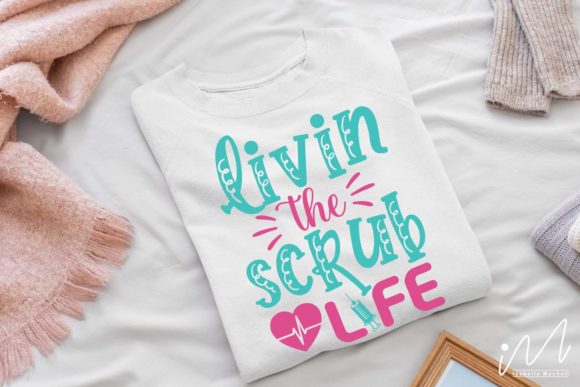
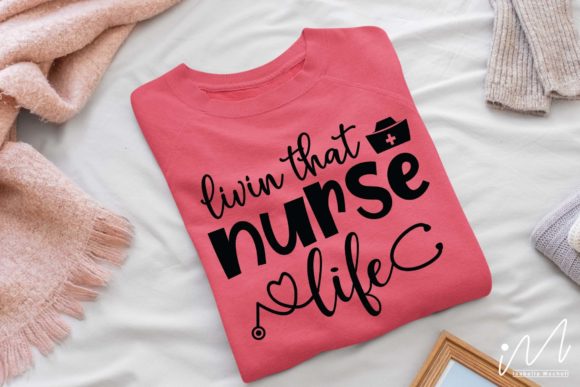
The moment I loaded the vector into my digitizing software, the layout felt familiar yet fresh. The phrase "livin that nurse life" carries a specific cultural weight. It is casual, relatable, and instantly recognizable to anyone in the medical field. For a handmade product, this kind of emotional connection is crucial. It isn’t just text; it is an identity statement.
Visually, the design relies heavily on clean lines and readable typography. In the world of custom apparel, readability is king. If a customer cannot read the quote from three feet away, the design has failed. This graphics element strikes a good balance between decorative flair and legibility. The mood is upbeat and supportive, making it perfect for gifts that celebrate resilience and humor in high-stress jobs.
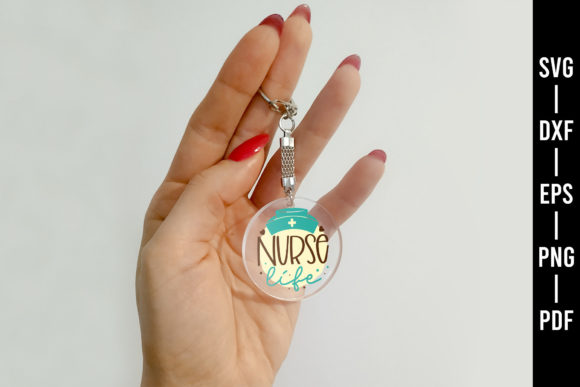
Because the source files include SVG, DXF, EPS, and PNG formats, I had the flexibility to experiment with different rendering styles before committing to thread. This versatility is a huge plus for digital product sellers who need to create mockups for various backgrounds without losing resolution. The ability to scale the design freely means I could test how it looked on a tiny baby onesie versus a large tote bag back panel.
Real-World Application: The Custom Tote Bag Scenario
To give you a concrete example of how this embroidery project translates to a finished item, let’s imagine preparing a custom order for a local hospital staff appreciation event. The request: embroidered canvas tote bags for nurses.
I placed the Livin That Nurse Life Svg centered on the front panel of a heavy-duty cotton canvas tote. Because canvas has a distinct texture, I was cautious about stitch density. The design’s open areas allowed for breathability, preventing the fabric from becoming too stiff—a common issue when using dense fill stitch patterns on thick materials.
I opted for a classic navy blue thread on a natural beige bag. The contrast was sharp and professional. The satin stitch around the letters (if applied in the digitization) would have provided a crisp edge, while the internal details remained clear. Customers at the event reacted positively. It wasn’t overly clinical; it felt like something they would actually carry to work. This demonstrates the design’s strength in creating craft business items that feel authentic rather than mass-produced.
Performance Across Different Fabric Types
Not all fabrics play nice with every design asset. Here is how I recommend handling this design across various materials:
- Cotton and Blends: These are the safest bets. The stitch density likely works well here, providing a smooth finish on t-shirts, sweatshirts, and aprons. For sweatshirt embroidery, ensure you use a cut-away stabilizer to prevent puckering over time.
- Fleece and Jersey: Stretchy fabrics require extra care. When working on baby embroidery items or soft tees, use a tear-away stabilizer and go slowly. The tension must be adjusted so the running stitch doesn’t pucker the knit fabric.
- Denim and Canvas: As mentioned, these are great for totes and caps. However, on curved surfaces like baseball caps, the design may need to be resized or repositioned to avoid distortion at the edges of the hoop.
- Dark Fabrics: If stitching on black or dark grey, consider using white or metallic threads. The thread colors you choose will drastically change the vibe—from subtle and elegant to bold and eye-catching.
Where to Exercise Caution
While this embroidery file is robust, there are limitations you must respect to maintain a professional standard:
- Small Hoop Sizes: Avoid shrinking this design too much. If the lettering becomes smaller than 0.5 inches, fine details may get lost, and the text may become illegible. Always check the minimum size requirements.
- Textured Fabrics: On boucle, sherpa, or heavily textured blankets, the needle may struggle to penetrate consistently. Test on a scrap piece first to ensure the applique design elements (if any) lay flat.
- Dense Stitch Areas: If the design includes heavy fill sections, be mindful of the fabric’s ability to support the weight. Too many layers of thread can make a garment uncomfortable to wear.
- Curved Surfaces: When applying this to hats or rounded containers, distortions can occur. You may need to adjust the placement or use a specialized hoop adapter.
Commercial Viability and Brand Consistency
For small shop owners and creative entrepreneurs, consistency is key. Using a clean, well-proportioned design like Livin That Nurse Life Svg helps build brand trust. It looks intentional and polished, which encourages repeat customers.
This design is particularly strong for holiday seasons, Nurses Week, and graduation gifts. It fits seamlessly into a lineup of commercial embroidery products. Whether you are selling physical goods at craft fairs or offering printable mockups for digital buyers, this asset adds variety to your catalog. It appeals to a broad demographic, from seasoned ICU nurses to nursing students, expanding your potential market reach.
Practical Designer Notes for Execution
Before you start stitching hundreds of units, follow these steps to ensure quality:
- Test on Scrap: Always run a test stitch on the actual fabric you plan to use. This reveals issues with thread tension, stabilizer choice, or color clash.
- Check Contrast: View your design in black and white mode in your software. This helps you assess if the light and dark threads will provide enough contrast for readability.
- Inspect Details: Zoom in on the smallest elements. Are they too thin? Will they break during trimming?
- Confirm Licensing: Verify the license terms before selling finished items. Some digital embroidery files have restrictions on commercial use or require a separate commercial license.
- Use Proper Stabilizer: Match the stabilizer to the fabric weight. Heavy fabrics need heavy stabilizers; delicate knits need lightweight options.
In conclusion, the Livin That Nurse Life Svg is a solid, versatile choice for designers looking to tap into the healthcare gifting market. Its clean aesthetic and adaptable format make it suitable for everything from tote bag design projects to intimate personalized gifts. By paying attention to fabric selection and stitch execution, you can turn this simple graphic into a high-value finished product that resonates with customers.